
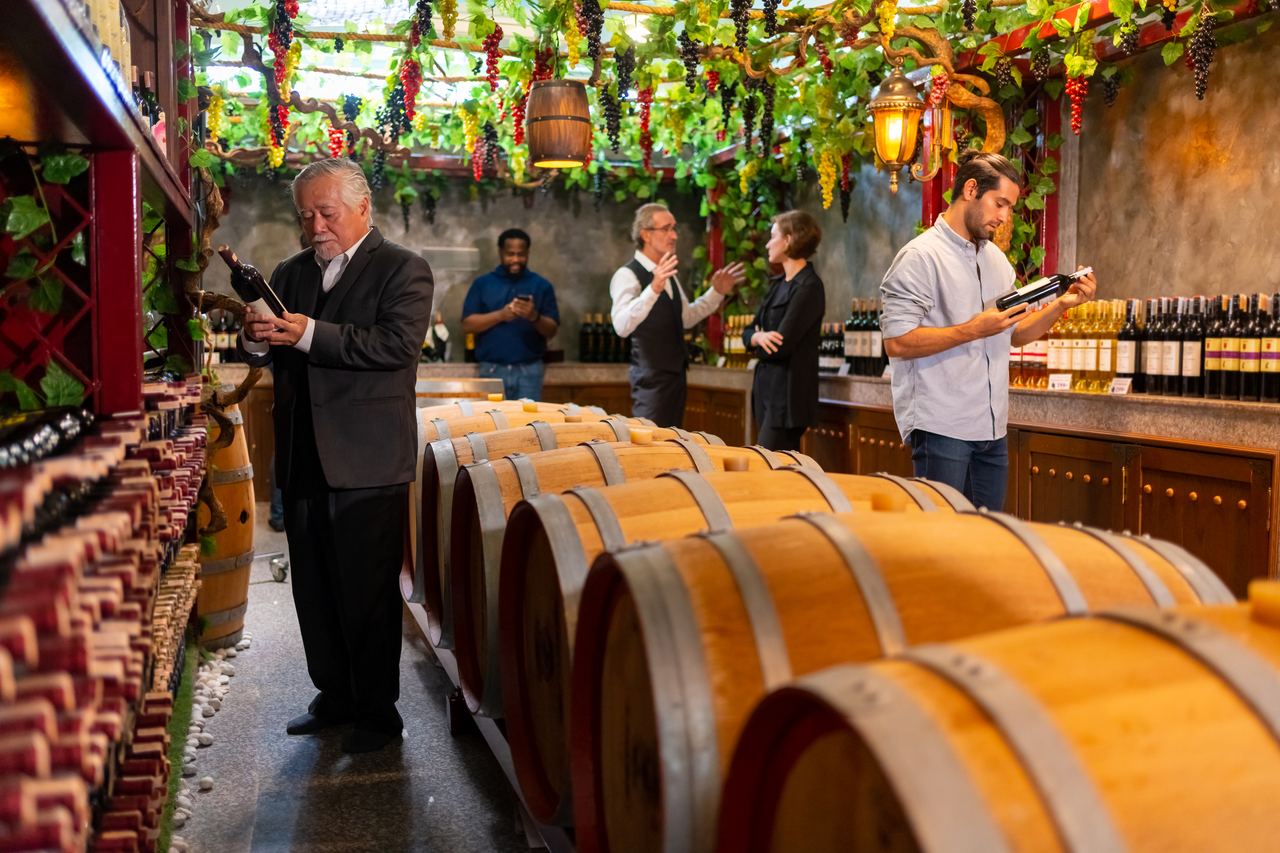
Wine tastings and dinners near the Pantheon: Lazio, not Tuscany
The region has three protected names and only one of them is red. Nineteen tastings and dinners, including one served over a Roman wall.
People come to Italy for wine and mean Tuscany or Piedmont. Rome sits in Lazio, which is neither, and which most visitors never think about as a wine region at all. That is the interesting part, and it is what a tasting here can do that a tasting in Florence cannot: introduce you to grapes you have not met.
Nineteen products, from €39 to €359, median €89, rating 4.87 across 3,187 reviews. They divide into two clear things — a short tasting of an hour or ninety minutes, and a dinner of three or four hours with somebody talking you through it — and the price gap between them is most of the range.
What Lazio has is three protected names, a great deal of white, and one red that almost nobody outside the region has heard of.
One of these is worth naming for the room alone. A sommelier-led dinner four minutes from the Pantheon is served in a building whose cellar contains a Roman wall of the age of Augustus — which is to say, of roughly the same decades as the first Pantheon on this site.
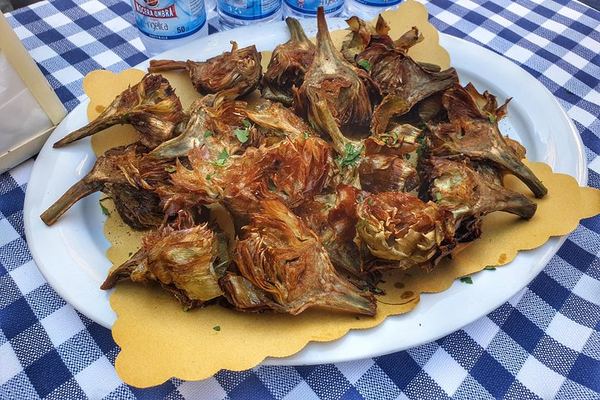
A Bakery from 1824, and Cured Meats from Norcia
More than ten tastings across six family-run places, from the Ghetto artichokes to a full Roman dinner. Ends with coffee, tiramisu and gelato.
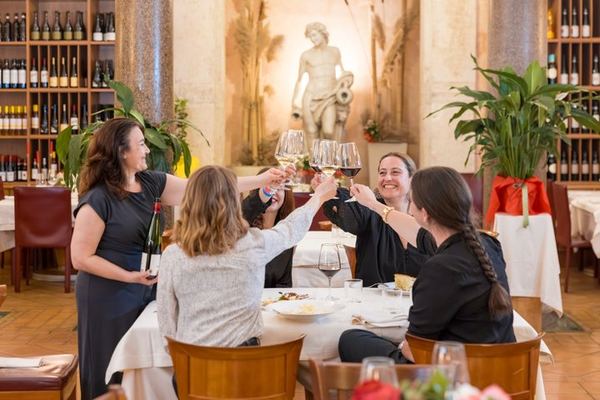
A Table Already Booked at Casa Bleve, with a Sommelier
Three courses in a Renaissance palace, each with a wine from a different Italian region, explained as it is poured. Ten people maximum.
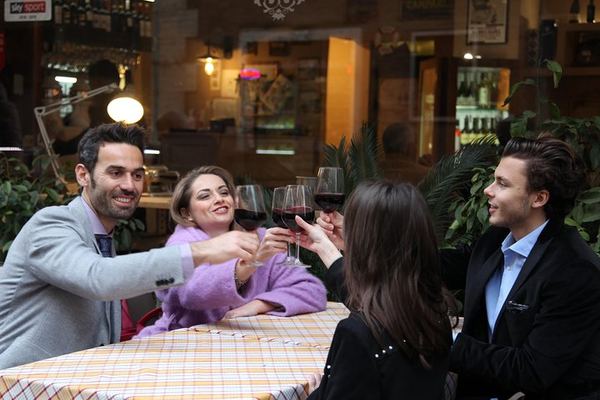
A Trastevere Tasting Walk, Timed for Sunset
The ochre walls of the quarter take the light for about twenty minutes before the lamps come on, and the route is walked then.
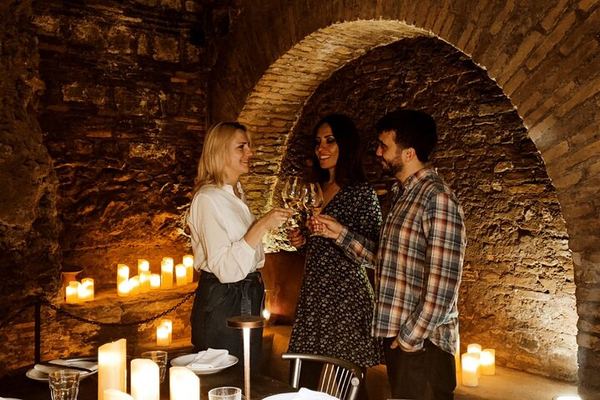
Dinner by Candlelight in Agrippa's Baths, Behind the Pantheon
Agrippa built Rome's first public baths and the first Pantheon together. These are among the last rooms left of the baths, and you eat in one.
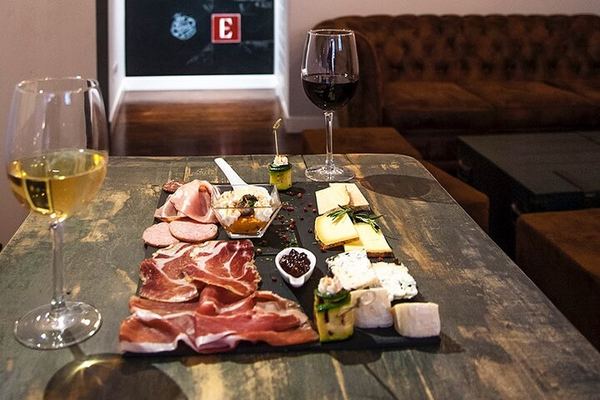
DOP, DOCG, and a Gelateria Named Backwards
Cinta Senese, thirty-year balsamic over 36-month Parmigiano, and DOCG wine, all with designations you can verify. Ends at Otaleg.
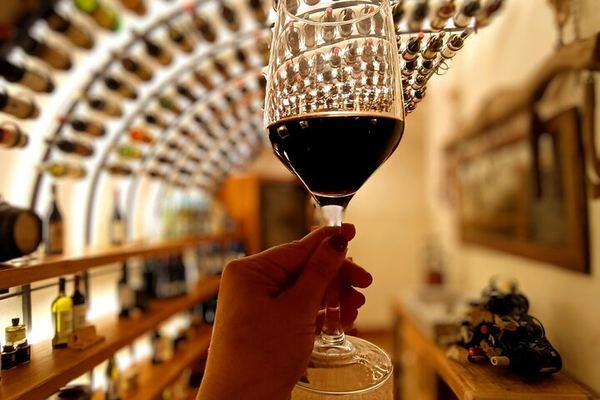
Down Into the Crypt of Santa Cecilia, Then the Wine
The crypt holds the Roman house the basilica was built over, and Maderno's 1600 statue lies above it. Wine, cheese and cured meats afterwards.
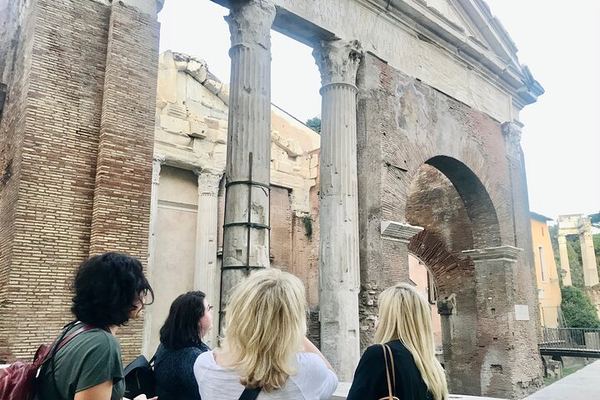
Eating in the Ghetto and Under Pompey's Theatre, Four Hours
One stop serves pasta among the buried foundations of the theatre whose hall Caesar was killed in. Sant'Eustachio coffee, open since 1938.
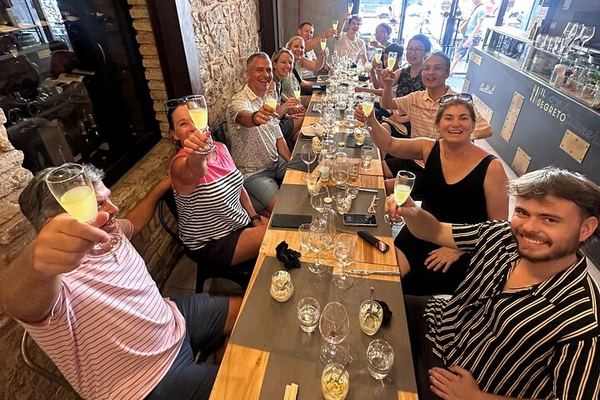
Five Wines from Across Italy, Not Just the Lazio Hills
Pecorino Romano, cheese matured in Barolo and thirty-year-old balsamic, each poured against a different wine. Inside a wine bar Romans use.
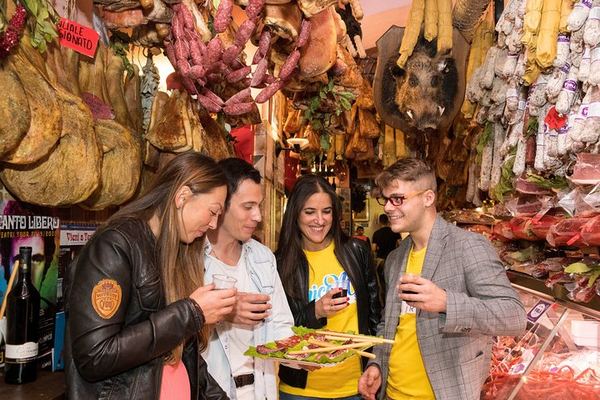
Four Hours of Tastings That End with Dinner in a Trattoria
The last stop is a sit-down supper in a Roman trattoria rather than a gelato on a corner. Sixteen people maximum, Campo de' Fiori to Trastevere.
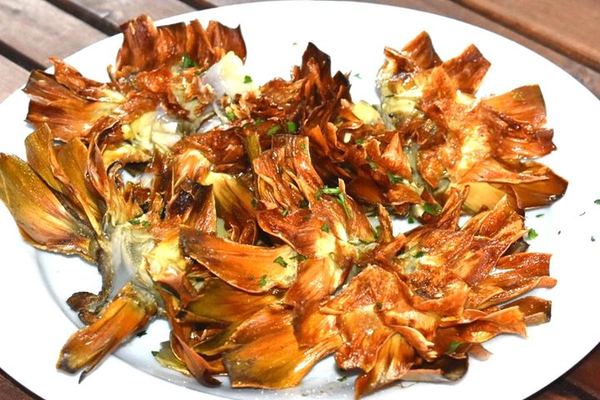
Ghetto and Campo Marzio by Night: 1555, 1824, 1920
A bakery run by the same family since 1824, and dinner among the remains of Pompey's theatre. Four hours, ending at the Caesar site.
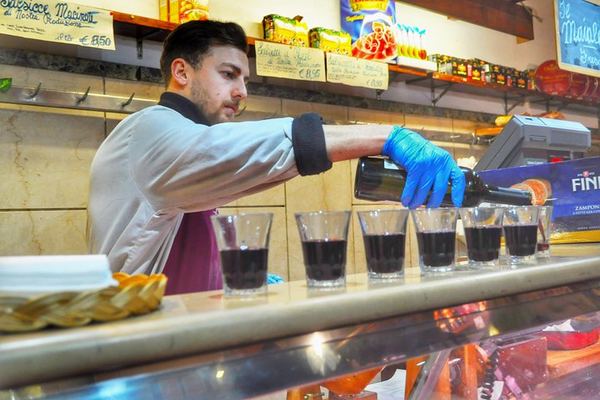
It Starts at Half Past Five, When Trastevere Wakes Up
Four hours through family-run places from the pre-dinner hour onwards, past a Bernini most visitors never see. Ends at the gelateria.
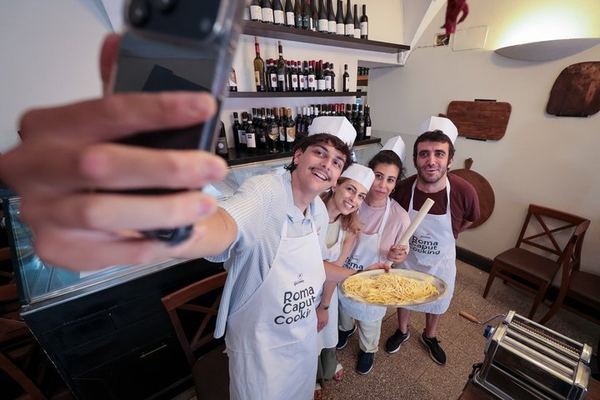
Learn to Clean an Artichoke: A Cooking Class in the Ghetto
The class covers the part nobody teaches: stripping an artichoke and opening a courgette flower before they go in the pan. Vegans welcome.
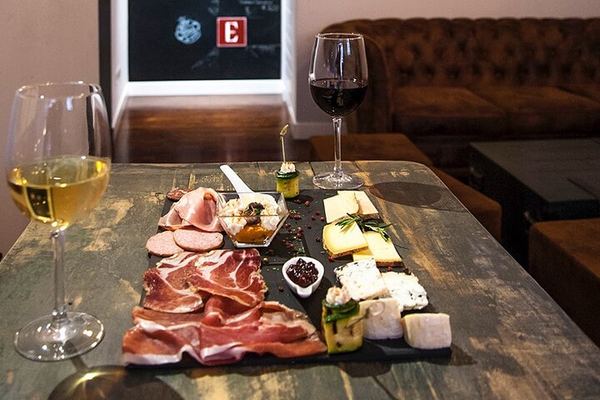
Learn to Pick the Wine Yourself: A Trastevere Tasting
Pairings explained as you drink them, so you can order unaided afterwards. Two different meeting points: check which product you booked.
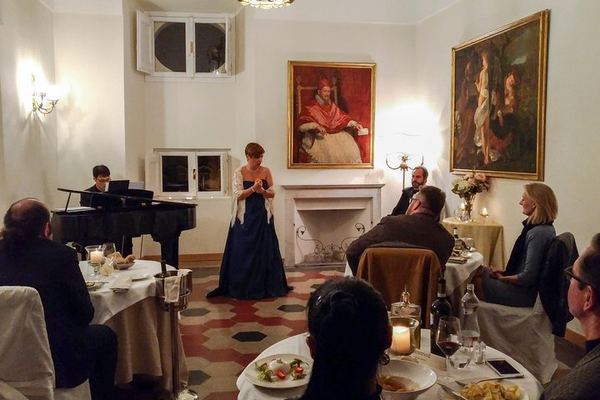
Opera and Dinner in the Innocent X Hall, Over Piazza Navona
The hall's windows look down on the Bernini fountain the same pope commissioned. Arias are sung before dinner and between the courses.
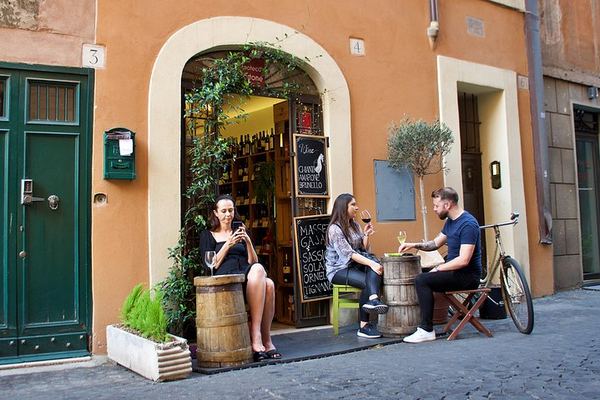
Patrizia and Her Sommelier Son: Six Wines on Via di Monserrato
A private tasting in a family enoteca that runs from sparkling with taralli through whites with cheese to reds with cured meats.
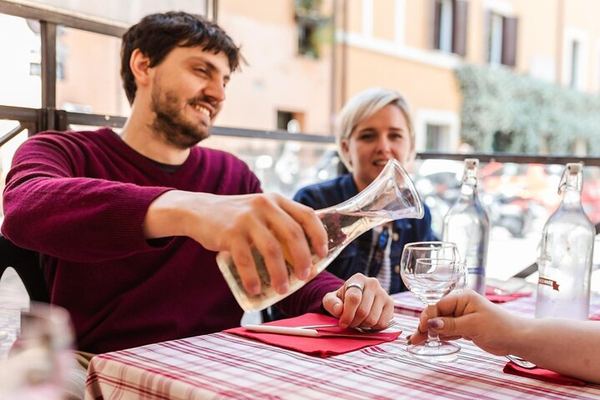
Private Wine Tasting in Rome with a Host Matched to You
A questionnaire after booking picks your host, who chooses the cellars and wine bars. Three wines with cheese, cured meat or bread, over three private hours.
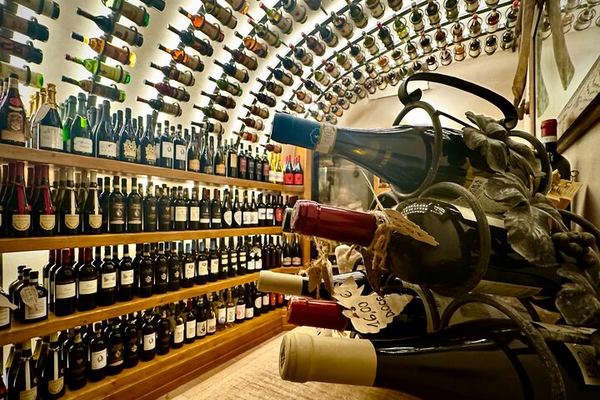
Slow Food Presidia in a Roman Cistern Under Trastevere
The food comes from Slow Food presidia, a defined list of protected producers, and the room is a restored 1st-century cistern with Roman marble.
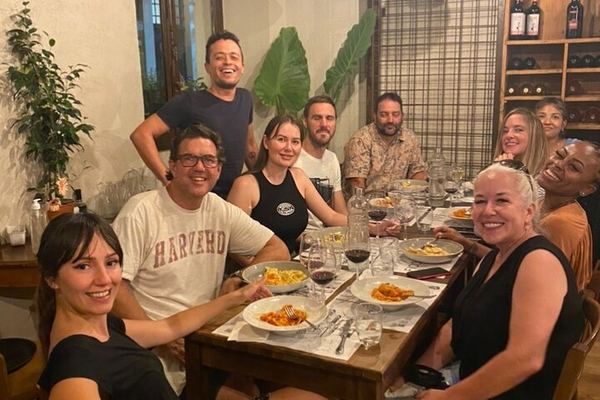
The History First, Then You Sit Down and Eat
The stories are told standing up before anyone eats, and the meal follows: bruschetta, fried courgette flowers, pasta, wine and limoncello.
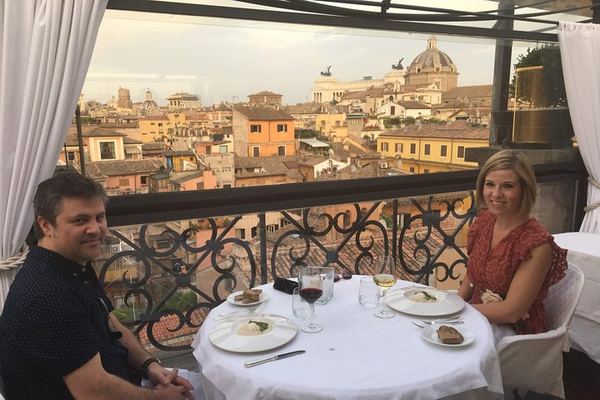
Three Rooftops After Dark, One of Them Beside the Pantheon
One terrace looks down on the Trevi Fountain, another sits beside the Pantheon dome, and the last overlooks Piazza Navona for dessert.
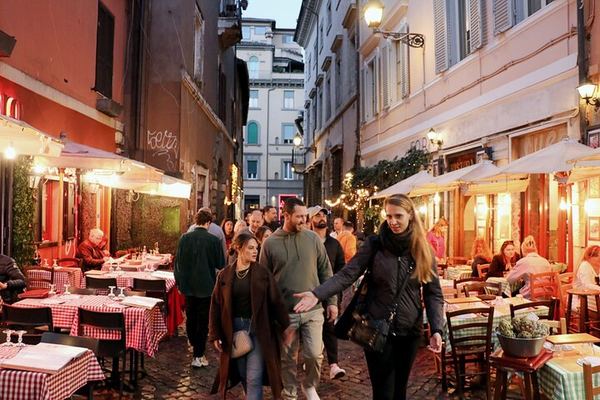
Trastevere Food Walk with a Sit-Down Dinner and Four Stops
Four stops built around a three-course meal at a table rather than a run of snacks, with a century-old deli, a street food stop and organic gelato to close.
Ratings collected by Viator and Tripadvisor
Three protected names, and only one is red
Italy's top tier of appellation is the DOCG, and Lazio has three of them. It also has twenty-seven DOCs and seven IGTs, so there is far more here than the visible export list suggests.
| Name | Tier | Recognised | What it is |
|---|---|---|---|
| Cesanese del Piglio | DOCG | DOC 1973, DOCG 2008 | The region's only red DOCG. Five villages in the province of Frosinone, at least 90 per cent Cesanese. Dark, a little bitter at the edge, and almost unknown abroad |
| Frascati Superiore | DOCG | 2011 | Dry white from the hills south-east of the city, at least 70 per cent Malvasia. Around 8,300 hectares on the northern slope of the Colli Albani |
| Cannellino di Frascati | DOCG | 2011 | The sweet version of the same wine, from the same five villages and the same grapes |
| Frascati | DOC | — | The everyday white, and not the same thing as Frascati Superiore. This is the confusion that runs through every English-language page on Lazio wine |
| Roma | DOC | 2011 | A recent appellation covering the province. The red is at least half Montepulciano, the white at least half Malvasia del Lazio, and there is a Classico subzone |
| Est! Est!! Est!!! di Montefiascone | DOC | — | Named after a story about a bishop's servant in 1111 that is folklore rather than record. The wine is real; the tale should be told as a tale |
If you take one thing from that table, take the fourth row. Frascati and Frascati Superiore are two different wines with almost the same name, made from the same grapes to different rules. A tasting that pours one and calls it the other is not being dishonest, it is being sloppy, and it is very common.
And if you take two, take the first. Cesanese is the reason to do a wine tasting in Rome rather than anywhere else. It is a local grape that barely leaves the region, it took thirty-five years to move from DOC to DOCG, and you are unlikely to find it on a list at home.
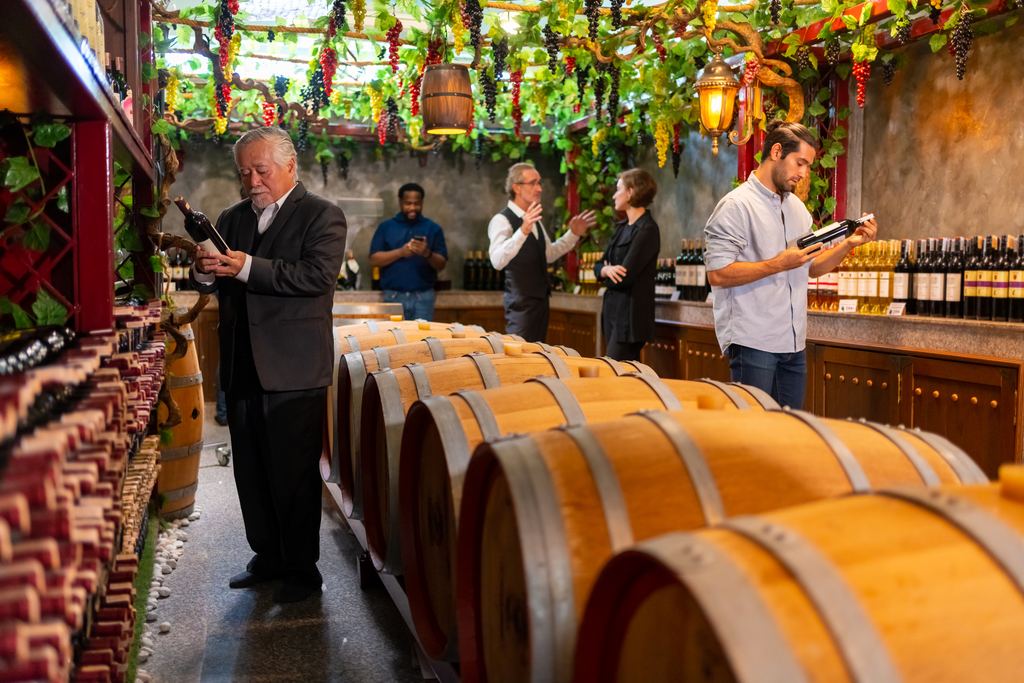
What €39 buys
A tasting is an hour, and that is enough
At the short end of this page, around €39 to €45, you get four or five wines over an hour or ninety minutes, with something to eat alongside so the tasting is not on an empty stomach.
That is the right length for a tasting. Palate fatigue is real and it arrives sooner than people expect; after six or seven wines you are drinking rather than tasting, and the last two are wasted.
What a short tasting is good for is calibration — finding out whether you like Cesanese, whether Frascati is what you thought it was, whether the sweet one is your idea of dessert. What it is not is dinner, and several of these run at six in the evening precisely so you can eat afterwards.
Frascati is the wine everybody has heard of. Cesanese is the reason to taste in Rome rather than in Florence.
Agrippa's water, and the building it fed
There is a nice piece of geography under this quarter and it is worth getting right, because it is usually stated wrongly.
Marcus Agrippa built two things here in the same decade. The Baths of Agrippa — Rome's first public baths, of about 25 BC — and the first Pantheon, on the site of the one standing today. They are two distinct buildings by the same patron, not one complex, and they were served by the same water: the Acqua Vergine, which Agrippa brought into the city in 19 BC.
All three of those things are still present. A curved brick fragment of the baths, about twenty-five metres across, stands in the street three minutes from the portico. The Pantheon is where it always was. And the aqueduct still runs — it is the only ancient Roman one that does — and comes out of the Trevi Fountain ten minutes away.
Several dinners on this page are served in cellars containing Roman masonry of this period, because in this quarter you cannot dig a basement without hitting some. It is a real and unusual thing to eat over, and it is not the baths themselves.
| Format | Typical price | Length | What you get |
|---|---|---|---|
| Tasting | €39 – €70 | 60 to 90 minutes | Four or five wines, something to eat alongside, and somebody explaining what you are drinking. Not dinner |
| Tasting with a food pairing | €70 – €105 | 2 to 3 hours | Five or six wines matched to courses. The point is the pairing, and the food is substantial enough to count as a meal |
| Sommelier dinner | €125 – €150 | 2.5 to 4 hours | A proper dinner in a proper room, small group, with a professional working through a list. The nearest is four minutes away |
| Rooftop or terrace | €90 – €160 | 1.5 to 3 hours | You are paying partly for the view, which in this quarter means the roofline rather than a horizon. Best between May and September |

The practical things nobody prints
Sunday is difficult. Several of the better wine rooms in this quarter close on Sundays, including the one four minutes from the Pantheon. If your only free evening is a Sunday, filter for it before falling in love with a listing.
August is difficult too. A good many family-run places in the centre shut for two or three weeks around the middle of the month. The larger operators run through it; the small ones do not.
Ask what the tasting pours. A €39 tasting can be four glasses of Lazio wine chosen to show you the region, or it can be four glasses of whatever is open. The listings that name the wines are the listings to book, and there are fewer of them than you would expect.
Eat something first if it is a tasting rather than a dinner. Ninety minutes and five glasses on an empty stomach at the end of a day of walking is a specific kind of mistake, and it is the one that shows up in the negative reviews on this page.
About wine in Rome
What wine is Rome known for?
White, mostly: Frascati from the hills south-east of the city, in an everyday DOC version and a Superiore DOCG one that are genuinely different wines. For red, Cesanese del Piglio, which is Lazio's only red DOCG and the thing worth tasting here rather than at home.
Is a tasting or a dinner better value?
Different purchases. A €39 tasting is ninety minutes and four or five wines, and it is enough — palate fatigue arrives faster than people think. A €145 sommelier dinner is an evening, a small group and a real meal. The middle band, around €89, is a pairing dinner and is where the median sits.
Where is the nearest one to the Pantheon?
Four minutes, in a building whose cellar holds a Roman wall of the age of Augustus. It seats about ten for the sommelier dinner and it closes on Sundays. Most of the other products on this page are eight to twenty minutes away, several of them in Trastevere.
Do I need to know anything about wine?
No, and the good tastings assume you do not. What helps is deciding in advance whether you want to learn something or to drink pleasantly, because those are different products at similar prices and the listings blur them.
Are these suitable if one of us does not drink?
Ask before booking. Some operators price a non-drinking place, some do not, and on a dinner where the wine is most of the cost the answer matters. Food tours are usually the easier option for a mixed party.
What is Est! Est!! Est!!! about?
A Lazio DOC named after a story from 1111 in which a bishop's servant chalked the word on the door of every inn with good wine, and wrote it three times at Montefiascone. It is a good story, it is folklore rather than record, and the wine is a perfectly real white from the north of the region.
Before the wine
Fifteen walks timed to the hour before dark, with the sunset table and the two bridges from which the sun sets behind the dome of St Peter's.
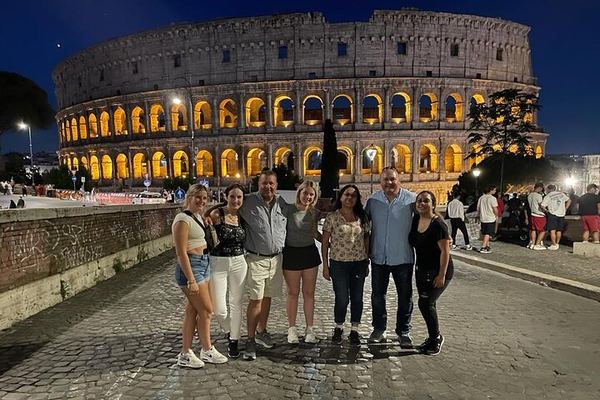
Ancient Rome at Twilight: The Suburra and the Borgia Steps
Monti is wine bars now and was the worst slum in the ancient city, and where Caesar was born. Ends where Romans watch the Colosseum at night.

Five Shapes of the Roman Aperitivo, Pilotta to Navona
Cocktail, fried supplì, Roman craft beer, a salumi board and tiramisu, in that order. Runs in English and Italian, so everything is said twice.
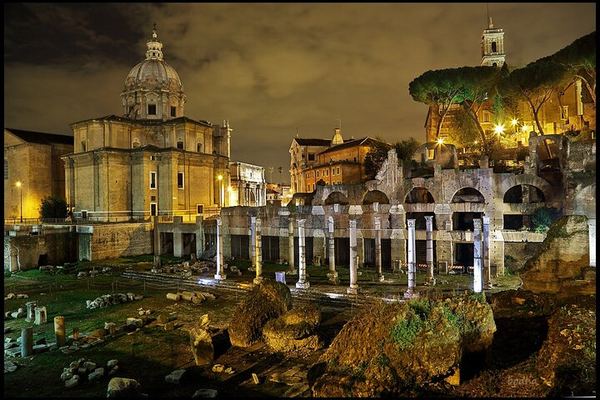
Four Stops by Private Car: Trevi, Navona, St Peter's, Castel
Four places done properly rather than twenty in passing, covering both banks of the river without the walk between them.
Ratings collected by Viator and Tripadvisor
Or learn what to drink it with
Twenty cooking classes near Piazza Navona, 10,074 reviews and the highest weighted rating on this site. The four Roman pastas are variations on two ingredients.
Data verified on. Appellation tiers, dates and grape minimums from the Lazio disciplinari. Agrippa's baths and the Acqua Vergine from the Sovrintendenza Capitolina. Prices and ratings: our catalogue.