
Caravaggio Churches in Rome Are Free: Six Paintings, Three Doors, One Narrow Window
Six Caravaggios hang in three Roman churches and every one of them is free. Four are a few minutes from the Pantheon, two are a 23-minute walk, and the three doors are open together for only two hours a day. We read all three parish sites and did the arithmetic.
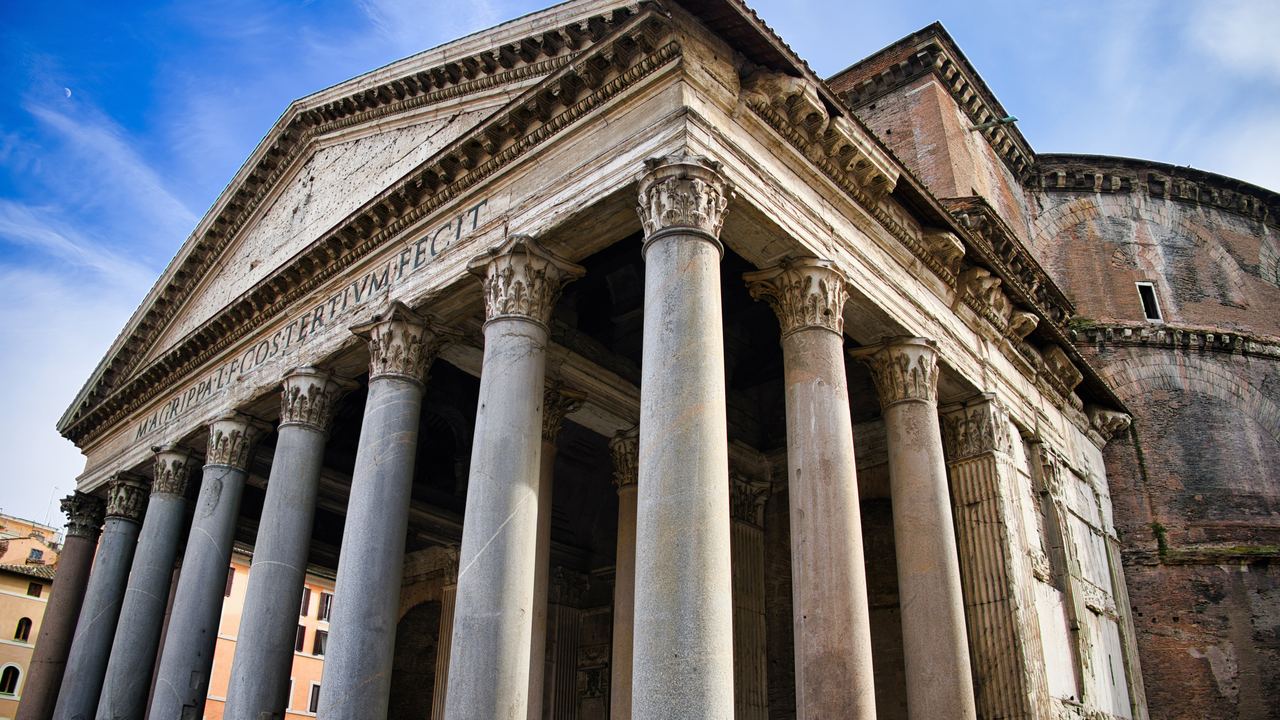
The Caravaggio churches in Rome are free, all of them, and nobody checks a bag or prints a ticket at the door. Six paintings hang in three of them. Two of those churches are a shorter walk from the Pantheon's portico than most people's hotel breakfast.
What almost nobody publishes is the part that decides whether the walk works: the three churches keep three different sets of hours, and they are not designed to agree with one another. We opened all three parish websites on 16 September 2026 and did the arithmetic. On a weekday there are exactly two hours in which all three doors are open at the same time. On a Sunday there are ninety minutes, and you have to spend forty-five of them walking.
The three Caravaggio churches in Rome, and what free means here
Caravaggio churches in Rome are free because they are churches. That sounds obvious written down, and it still surprises people who have just paid €7 to stand under the Pantheon's dome for twenty minutes. There is no ticket office, no time band, no name printed on anything. You push a leather curtain and you are in.
The six are distributed unevenly, which matters more than it sounds:
- San Luigi dei Francesi, the Contarelli Chapel, holds three: the Calling of Saint Matthew, the Martyrdom of Saint Matthew, and the altarpiece of Saint Matthew and the Angel. The church's own site dates the commission for the two side canvases to 1600.
- Sant'Agostino in Campo Marzio holds one, the Madonna di Loreto, usually called the Madonna of the Pilgrims, in the first chapel on the left.
- Santa Maria del Popolo holds two, facing each other in the Cerasi Chapel beside the high altar: the Conversion of Saint Paul and the Crucifixion of Saint Peter.
Three plus one plus two. The arithmetic is the easy part.
Four of the six are a short walk. The other two are not.
Here is where most itineraries quietly mislead, including one of ours until we measured it. "Six Caravaggios near the Pantheon" gets written as though the six were arranged in a tidy loop. They are not.
Measured on the walking route from Piazza della Rotonda, San Luigi dei Francesi is 280 metres away, about four minutes. Sant'Agostino is 420 metres, about six. Between them that is four of the six paintings, inside a radius you could cover in the time it takes a waiter to notice you.
Santa Maria del Popolo is 1.6 kilometres north, 23 minutes on foot by our own measurement on the ground. It is a fine walk, most of it straight up Via di Ripetta or the Corso, and it is still forty-six minutes of walking there and back before you have looked at anything. Two of the six paintings live at the end of it.
So the honest version of the free half hour next to the Pantheon is this: four Caravaggios, two churches, about fifteen minutes of walking in total. The other two are a separate outing, and treating them as part of the same stroll is how people end up standing outside a locked door at half past one in the afternoon.

The two that are not next door
Santa Maria del Popolo, and the twenty-three minutes
The Cerasi Chapel sits to the left of the high altar, and the two canvases face each other across it rather than hanging side by side. You look at one over your shoulder while standing in front of the other, which is the arrangement Caravaggio was working to.
Two things published on the basilica's own site and almost nowhere else. Entry to that chapel is capped, so at busy moments you wait your turn for the space rather than for the building. And photography and filming of the chapel are forbidden, which catches people out in a city where the Pantheon explicitly allows phone photos.
One more trap on the square: the twin churches at the southern end, Santa Maria dei Miracoli and Santa Maria in Montesanto, are the ones in every photograph of Piazza del Popolo. Neither is the Caravaggio church. The one you want is on the north side, by the gate, with the brick bell tower.
The two hours when all three are open
Roman churches close in the middle of the day. Everyone knows this in the abstract and almost nobody plans for it, partly because the closing times are not the same from one door to the next and no aggregator lays them side by side.
We read the three parish sites on 16 September 2026 and put the hours in one table. Then we looked for the overlap, which is the number that actually governs the day.
| Church | Caravaggios | Walk from the portico | Weekdays | Sundays and feasts |
|---|---|---|---|---|
| San Luigi dei Francesi | 3 | 280 m, about 4 min | 09:30 to 12:45, 14:30 to 18:15 | 12:00 to 12:45, 14:30 to 18:30 |
| Sant'Agostino in Campo Marzio | 1 | 420 m, about 6 min | 07:30 to 12:30, 16:00 to 19:30 | 08:00 to 12:45, 16:00 to 19:30 |
| Santa Maria del Popolo | 2 | 1.6 km, 23 min | 08:30 to 09:45, 10:30 to 12:00, 16:00 to 18:00 | 16:30 to 18:00 |
| All three open at once | 6 | 16:00 to 18:00 | 16:30 to 18:00 |
Read the bottom row twice. On a weekday afternoon the three doors are open together from 16:00 to 18:00, and that is the whole of it. Santa Maria del Popolo shuts at six while the other two carry on, so the window closes from the far end of the walk.
Mornings are worse than they look. Sant'Agostino opens at 7:30 and San Luigi at 9:30, but Santa Maria del Popolo takes a break from 9:45 to 10:30, which chops the morning into a quarter of an hour and then a ninety-minute stretch from 10:30. Workable, if you start at the far end and walk back towards the Pantheon rather than out from it.
Sunday is the day that breaks plans. Santa Maria del Popolo does not open to visitors on Sunday morning at all, and San Luigi gives you forty-five minutes either side of noon. The only moment all three are open is 16:30 to 18:00: ninety minutes, of which the return walk to Piazza del Popolo eats forty-six. Doing all six on a Sunday is possible in the way that catching a train with two minutes to change is possible.
And one small recurring trap worth putting in a calendar: San Luigi dei Francesi closes on the morning of the first Wednesday of every month. The next one is 7 October 2026.

What to look at, without turning it into a lecture
The three doors
Free at all three, no booking anywhere, and each one holds more than the Caravaggio that brings people in.
San Luigi dei Francesi
Three canvases in the last chapel on the left. The French national church in Rome, and it hands you a free audio guide by QR code in English, no app to install.
Sant'Agostino in Campo Marzio
One Caravaggio just inside the door on the left, a Raphael fresco up the nave, and a Sansovino Madonna that Roman families still leave offerings at.
Santa Maria del Popolo
Two canvases in the Cerasi Chapel, a Raphael-designed chapel across the nave, and an apse by Bramante. No photographs in the Cerasi.
Two or three things per painting is plenty. More than that and you stop looking.
In the Calling of Saint Matthew, follow the light rather than the faces. It enters high on the right, from a window painted above Christ's hand, and it is not doing anything miraculous: it falls across a table of men counting money and they mostly carry on counting. The hand itself is lifted from Michelangelo's Adam on the Sistine ceiling, running the gesture in reverse. Then there is the argument, still unsettled, about which man at the table is Matthew: the bearded one pointing at his own chest, or the young one at the end with his head down over the coins. The church's own site sets the question out rather than closing it.
The Madonna di Loreto at Sant'Agostino is one painting and a five-minute stop, and the thing to look at is the pilgrims' feet. They are filthy, they are at the front of the picture, and they are aimed at the viewer. That was the scandal when it was unveiled, not the theology.
In the Cerasi Chapel, the Conversion of Saint Paul gives most of its canvas to a horse. Paul is on the ground, foreshortened, arms up, and the animal is simply standing there being enormous. The Crucifixion of Saint Peter opposite is all effort: three workmen levering a cross upright, no glory in any of their faces, just the weight.
If the Raphael connection is what draws you, the thread runs back to where you started. Raphael is buried in the Pantheon, in a tomb he bought and paid to restore rather than one he was given, and we have written up who else is buried there and why.

Coming to Rome I always stayed in via della Scrofa. From there I often visited the Church of Saint Louis of France, and I went to contemplate the painting of the Calling of Saint Matthew by Caravaggio.
The rules nobody prints on a ticket, because there is no ticket
Free entry is not the same as open access, and the three churches publish conditions that the listings sites tend to skip.
Services stop tourism, not the other way round. All three state plainly that visits are not permitted during Mass and other celebrations. Sant'Agostino goes further and recommends checking the service times before you plan a visit at all. This is not a formality: a church with a 10:00 Mass is a church you cannot walk around at 10:20, whatever the opening hours say.
Dress as you would for the Pantheon, because the rule is effectively the same. Santa Maria del Popolo asks for behaviour and dress appropriate to a sacred place. The state monument down the road is more specific, asking for covered shoulders and no short skirts or shorts, and its staff are authorised to turn people away. We have the whole of it on access, dress code and the rules at the door. Dress for the strictest and you have solved all four buildings.
No photographs in the Cerasi Chapel. This is the one that catches people, because it inverts what they have just been doing. Phone photography inside the Pantheon is explicitly permitted; in the chapel holding two of the six paintings it is banned, along with filming, and the chapel's capacity is controlled.
If you are with a guide, they should be on a microphone. Santa Maria del Popolo requires guides to use a whisper system and not to linger in one spot. A group standing shoulder to shoulder around a guide talking at full volume is a group that has been let in by somebody not following the rules of the house.

About that coin
Rome's standing advice for this walk is to carry a one euro coin, because the paintings in side chapels sit in the dark until somebody feeds a light box. It is good advice and we are going to give it, with a caveat we would rather publish than hide.
None of the three churches mentions a coin-operated light on its own website. We looked, on all three, on 16 September 2026. Whether the Contarelli Chapel still takes a coin, or how much, or for how long, is not something any of them publishes, and we are not going to assert it from memory and date it as a fact. That is the kind of sentence that gets copied for ten years after it stops being true.
What we can say is that the practice is real and documented nearby. At Sant'Ignazio di Loyola, five minutes from the Pantheon and free like the others, the queue that visitors complain about in forums forms around a coin rather than around a door. Carry a couple of one euro and fifty cent coins. If nothing wants them, you have lost nothing, and Rome has a hundred other uses for a coin. Our note on what is worth having in a pocket here is on what to bring to the Pantheon.
When a guide earns a fee in a church that is free
We sell tours, so treat this paragraph with the suspicion it deserves. There is no ticket to buy here and no queue to skip, which strips out the two things guided products usually charge for.
What is left is genuinely worth something in one specific situation. Standing in front of a dark chapel in a crowded church, the difference is made by somebody who already has the coin, knows which of the three canvases to start with, knows the room will be full at four and empty at half past five, and can talk quietly under a microphone instead of competing with a tour group. Add the twenty-three minutes to Piazza del Popolo, and a walk that strings the three together in the right direction stops being an obvious thing to organise yourself.
If that is the version you want, the Bernini and Caravaggio walks in our catalogue are the ones built around these churches. If it is not, the churches are free and they were free before anybody sold a tour of them. Both of those are true at once, and we would rather say so than pretend the paid option is the only sensible one.
Raphael bought his tomb. He was not given it
He paid for the burial place and for restoring the ancient shrine around it. Who else is in the Pantheon, which of them are only monuments, and why Michelangelo is not there at all.
Questions about the Caravaggio churches
Are the Caravaggio churches in Rome free?
Yes. San Luigi dei Francesi, Sant'Agostino in Campo Marzio and Santa Maria del Popolo all charge nothing and require no booking. San Luigi puts it on its own site in capitals: it is a church, so it is free, no ticket required. Only the opening hours limit you.
How many Caravaggio paintings can you see for free in Rome?
Six, across those three churches. Three in the Contarelli Chapel at San Luigi dei Francesi, one at Sant'Agostino, and two in the Cerasi Chapel at Santa Maria del Popolo. Other Caravaggios in Rome, at the Borghese and the Doria Pamphilj among others, sit behind paid admission.
Can you see all three Caravaggio churches in one visit?
On a weekday, only between 16:00 and 18:00, when all three are open at the same time. On a Sunday the overlap is 16:30 to 18:00, and the return walk to Santa Maria del Popolo takes about forty-six minutes of it. Four of the six paintings are within a six-minute walk of the Pantheon and are much easier to combine.
How far are the Caravaggio churches from the Pantheon?
San Luigi dei Francesi is 280 metres, about four minutes on foot. Sant'Agostino is 420 metres, about six. Santa Maria del Popolo is 1.6 kilometres north, 23 minutes on our own measurement of the walking route.
Can you take photographs of the Caravaggios?
Not in the Cerasi Chapel at Santa Maria del Popolo, where the basilica bans photography and filming and controls how many people enter at a time. The other two churches publish no such ban. Note the contrast with the Pantheon itself, where photographs taken on a phone are explicitly allowed and it is phone calls that are forbidden.
Do you need a coin for the lights?
Possibly, and none of the three churches publishes an answer either way, so carry one rather than trust a listing that sounds certain. Coin-operated lighting is a real fixture in Roman churches: at nearby Sant'Ignazio the queue visitors complain about forms around one.
Walks built around these churches
Nothing here buys you entry, because entry is free. What it buys is somebody who knows which chapel to start in and when the room empties out.
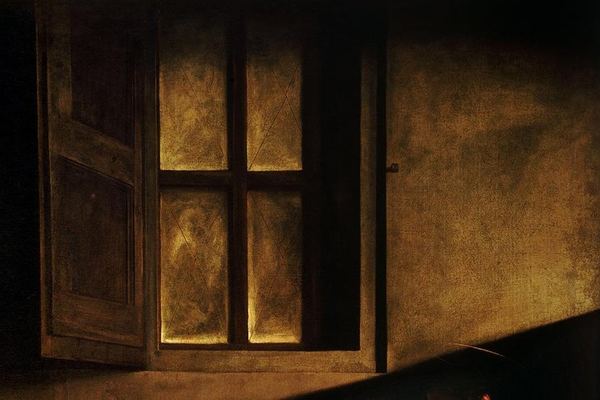
Art and Blood: Caravaggio in Three Churches, No Tickets
No tickets and no timed slot: all three churches are free to enter, and an art historian explains why the horse is bigger than the saint.
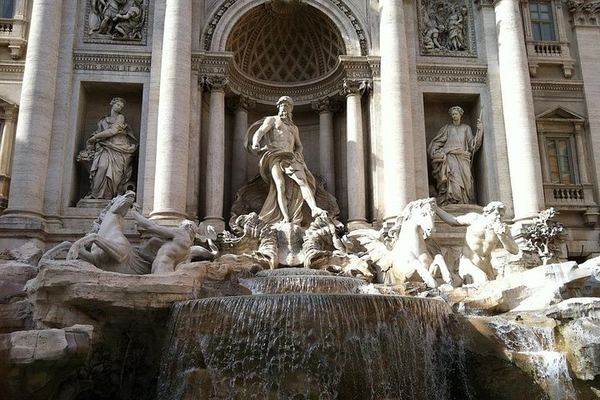
Baroque Rome: Fountains, Squares and a Meal to Finish
Four squares walked in sequence with a private guide, so they read as one scheme rather than a list, and a Mediterranean meal at the end.
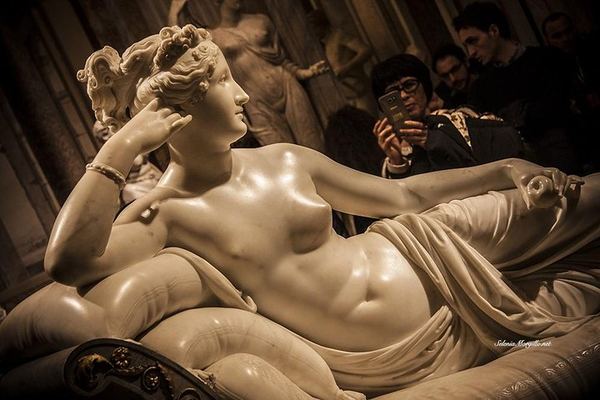
Borghese Gallery Privately, with an Art Historian
Timed entry and a capped room count keep the gallery quiet; a private art historian sets the pace inside the slot. Sales are final, no refunds.
Borghese Gallery Private Tour, Three Hours for One Collection
The extra hour is the product in a museum this dense. One cardinal bought all of it; the Italian State bought the rest in 1902. Sales are final.
Ratings collected by Viator and Tripadvisor
Data verified on. Hours and visiting rules read on each church's own website on 16 September 2026. Walking distances measured on the pedestrian route from Piazza della Rotonda.

