
Pantheon Museum · Tour
Palazzo Braschi: Caligula's Columns and a Lost St Peter's
Ratings collected by Tiqets
The staircase is the first thing worth stopping for. Giuseppe Valadier designed it with eighteen columns of red granite that were not cut for it: they came from a building of Caligula's, reused fifteen centuries later in a palace by Cosimo Morelli. Rome does this constantly, and here it is unusually easy to see. Valadier is also the architect who later gave Piazza del Popolo the shape it has today, so the same hand turns up at both ends of a day in the centre. The palace is the last one a pope built in Rome for his own family. Pius VI had it raised in the 1790s for his nephew Luigi Braschi Onesti, at the point when that kind of open nepotism was going out of fashion and the papal states had a few decades left of the old order. Upstairs, the Museum of Rome holds the city's own record of itself. Fragments of medieval frescoes from the demolished church of Santa Maria in Vincis. Mosaics from the medieval St Peter's, the basilica that stood before the present one and was pulled down to build it, which makes these pieces the surviving evidence of a building nobody alive has seen. Then the portrait busts of the papal families, the paintings of Roman ceremonies by Giovanni Paolo Pannini and Bartolomeo Pinelli, and the collections of photographs, furniture, clothing, sedan chairs and ceramics: the physical residue of how the city actually lived. The span runs from the Middle Ages to the early twentieth century, which is to say it picks up where the ancient sites stop and covers the fifteen hundred years most visitors to Rome walk straight past. The building has a twentieth century of its own. It was taken over as a Fascist party headquarters, and after the war some three hundred homeless families moved in and stayed until 1949. The interiors did not survive the experience. The restoration that followed ran for the rest of the century and the museum reopened in 2002. Just outside, at the corner of the palace a few steps off Piazza Navona, stands Pasquino: a battered Hellenistic torso that Romans have used as a noticeboard since the sixteenth century, pasting anonymous verses against popes and ministers to its base. The word pasquinade comes from this stone, and people still leave paper on it. The café inside opens directly onto Piazza Navona, which is a useful thing to know on a hot afternoon. No length is listed for this one because nobody walks you round. It is a ticket rather than a tour, so the pace is yours and there is no group to keep up with, which makes it one of the few things in the centre you can do on an hour's notice. Temporary exhibitions are a separate choice made when you book: leave the box unticked and you will not be let into them. The entrance is on Piazza di San Pantaleo, a hundred metres from Piazza Navona and about the same from Campo de' Fiori.
What's included
- Access to the Palazzo Braschi
- Access to temporary exhibitions (if selected)
Itinerary
The map could not be loaded. Please try again in a moment.
Palazzo Braschi
Keep exploring
More experiences in Palaces & Private Galleries
-
 Free cancellation
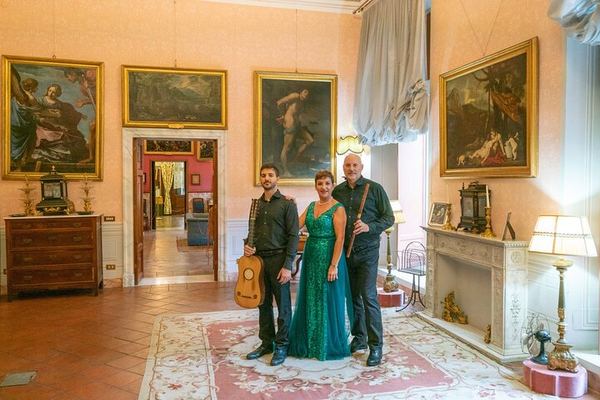
Baroque Instruments in the Princess's Apartment, for Twenty-Five
4.9 (27) 4.9 stars out of 5, 27 reviewsTheorbo, traverso and soprano, playing music written for these forces in a room this size. Doors close at 7:15 and nobody is let in after.
€ 96.00 -
 Selling fast
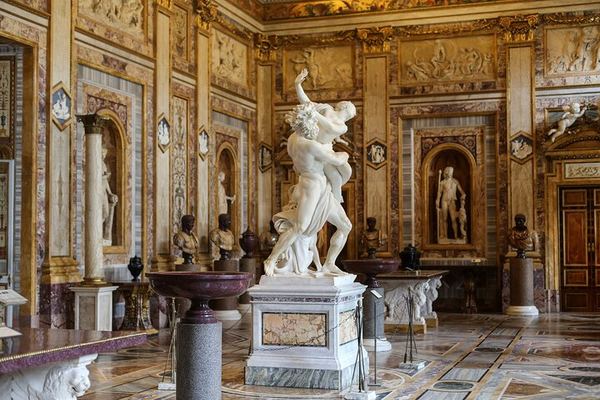
Borghese Gallery and Gardens, Ending on the Pincio
4.6 (2,311) 4.6 stars out of 5, 2,311 reviewsLeaves you at the terrace above Piazza del Popolo rather than back at the villa, with headsets throughout. The exit involves a long staircase.
€ 54.00 -
 Selling fast
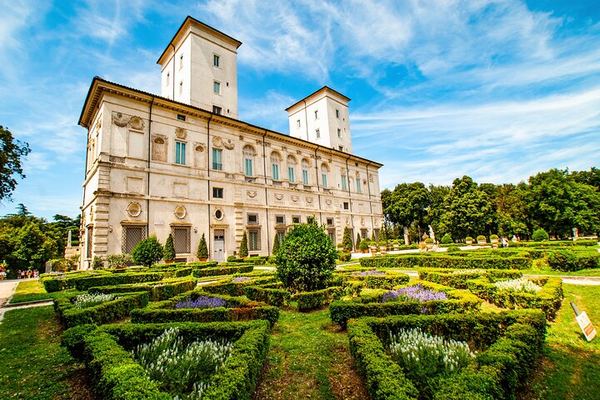
Borghese Gallery, and What to Do in the Park Afterwards
4.9 (161) 4.9 stars out of 5, 161 reviewsNames the route out: the rowing-boat lake, the Pincio terrace, the Casina Valadier and the smallest cinema in the world. Six, fifteen or ticket only.
Discounted price€ 26.97Regular price€ 29.00
Ratings collected by Viator and Tripadvisor