
Pantheon Museum · Tour
Following the Trevi Water Through the City Below It
Ratings collected by Tiqets
The interesting thing about this site is not that it is old. It is that it is still plumbed in. The guided visit covers all three sections of Vicus Caprarius and follows the water the whole way. It arrives through the Aqua Virgo, filters through the ancient masonry of the archaeological area, and carries on into the pipes and the basins of the wealthy Roman house that was built here to use it. That circuit is the reason the site is called the City of Water, and it explains why an ordinary block of Roman housing ended up this well preserved: it sat on a working aqueduct and stayed damp for two thousand years. What came out of the excavation is displayed alongside it. Polychrome marble facings stripped from the walls. Eight hundred coins in a single hoard. Spatheia, the narrow African amphorae that carried oil into the city. And the marble head identified as Alexander Helios. The visit starts above ground at the Trevi Fountain, where the same water surfaces, and then goes down. In technical terms what you are walking through is a castellum aquae, the tank where the aqueduct arrived and was divided before being sent on. Everything else on the plan follows from that. The house was built against a working supply, and rooms with running water at that date were an address rather than a convenience. The aqueduct is also why the phrase never stopped working is literal here. Agrippa opened the Virgo in 19 BC and it runs almost the whole of its twenty-odd kilometres below ground, which is what saved it. When the Goths cut Rome's water during the siege of 537 they cut the channels standing on arches. The one nobody could reach is the one the city got back, and it is still in service. The finds carry a chronology with them. Marble facings stripped from the walls mean a house decorated well and later dismantled for its materials. Eight hundred coins in one place mean somebody put money somewhere safe and did not come back for it. Set against the imported amphorae, the picture is of a rich building that was patched and then given up, which is broadly what happened to this quarter. The address on the booking is Vicolo del Puttarello 25. That is a lane rather than the piazza, narrow enough to walk past twice, so look for the number and not for a frontage. Forty-five minutes, a live guide and a headset. No audio guide is included and none is sold here, so the commentary is a person and the group moves together through passages that are tight in places. The gelato among the inclusions is an option taken at booking and has nothing to do with the visit. One last practical point: the floor down there is nine metres under the modern street and holds its own temperature, which is the argument for coming in August and the reason to keep a layer on in February.
What's included
- Vicus Caprarius skip-the-line ticket
- Headsets
- Guided tour
- Assistance at the meeting point
Show 1 moreShow less
- Gelato (if selected)
Itinerary
The map could not be loaded. Please try again in a moment.
Vicus Caprarius - The Water City
Not included
- Audio guide
- Drinks
- Hotel pickup and drop-off
Keep exploring
More experiences in Underground Rome
-
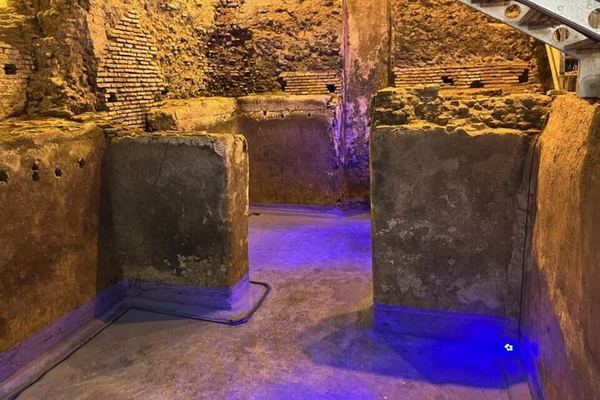 New
NewCity of Water, Trevi from Above, and the Galleria Sciarra
4.3 (3) 4.3 stars out of 5, 3 reviewsStates plainly that the fountain is seen from street level, not the basin, and ends in a frescoed courtyard most visitors never enter.
€ 99.00 -
 Free cancellation
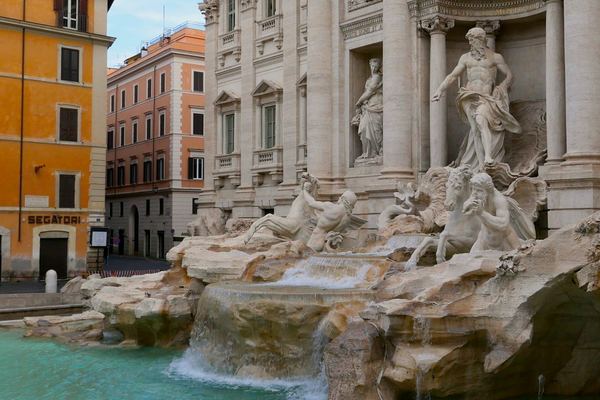
Forty Minutes at the Trevi Fountain and the Domus Below It
4.3 (230) 4.3 stars out of 5, 230 reviewsA guide reads the facade in the order it was composed, then takes you nine metres down to the aqueduct that has never stopped supplying it.
€ 35.00 -
 Free cancellation
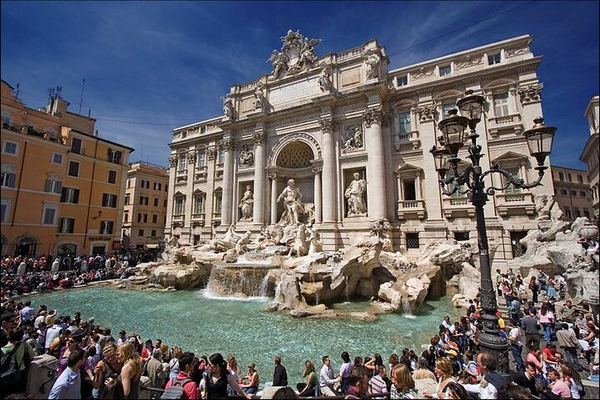
Fountains and Squares, Downhill from Trinità dei Monti
4.1 (8) 4.1 stars out of 5, 8 reviewsStarts at the top of the Spanish Steps and runs downhill all the way to Piazza Navona, which in a Roman summer is the whole argument.
€ 148.00
Ratings collected by Viator, Tripadvisor and Tiqets