
Pantheon Museum · Tour
Pantheon Guided Tour on the Proportions and How It Was Built
Ratings collected by Tiqets
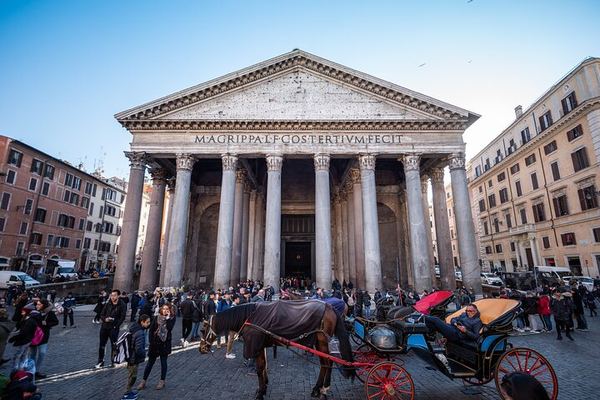
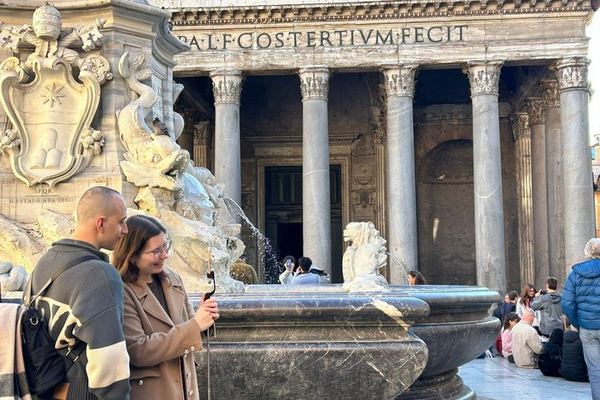
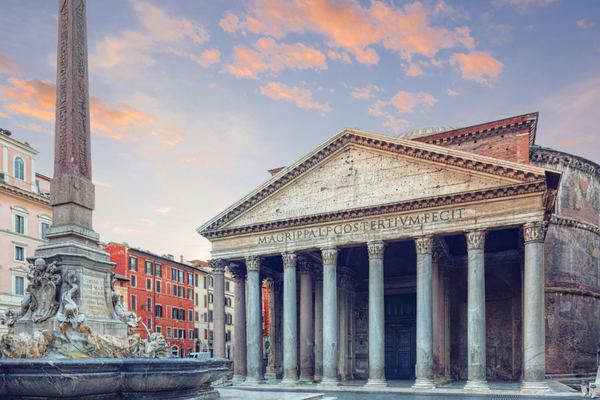
This tour is about how the building works rather than the anecdotes attached to it. It starts under the portico, where sixteen granite columns carry the pediment, and goes through into the rotunda. The proportions are the subject, and they are simple to state and hard to believe while standing there: the width of the room and the height to the crown of the dome are the same measurement, so the interior would exactly contain a sphere resting on the floor. None of that is decorative. It is the reason the space reads as calm rather than as large. The construction gets the same treatment. How a dome of that span was cast without steel, why it thins towards the top, what the coffers do and do not do for the weight. The usual explanation, that the coffers lighten the structure enough to matter, is worth less than five per cent; the real work is done by the changing thickness and by lighter aggregate higher up. Inside there are also the artworks and the tombs, Raphael's among them, and fast-track entry to reach them without the queue. The columns repay a minute before you go in. Each shaft is a single piece of Egyptian granite, grey from Mons Claudianus or rose from Aswan, quarried whole and brought down the Nile and across to Ostia by barge. Roughly twelve metres and something near fifty tonnes apiece, with no joint anywhere to hide a mistake. The inscription above them names Marcus Agrippa and gives his third consulship, which dates it to 27 BC. The building behind it is not that one. Agrippa's Pantheon burned, and what stands now went up under Hadrian a century and a half later, dated by the stamps on its bricks. Hadrian put the older name back and left his own off, so the front of this building has been misleading people for nineteen centuries. Look up at the bare tympanum as well: the fixing holes for a lost bronze relief are still in it. Inside, the numbers the guide works with are the ones you cannot see. The drum is about six metres thick where the vault springs from it and roughly a metre at the rim of the opening. The concrete changes as it climbs, from heavy travertine in the aggregate low down to light volcanic scoria near the top, and hidden inside the drum are voids and relieving arches that gather the load onto eight piers instead of spreading it evenly round the ring. Headsets are handed out, which matters more here than on a street tour. The rotunda carries sound badly and holds several hundred people at once, so without one you would spend the visit at the guide's elbow rather than looking up. Two conditions to note. There is no cancellation on this booking and no refund at any point, so it wants a date you are sure of rather than the first morning after a flight. And the tombs set into the wall are not only Raphael's: two kings of Italy and a queen lie here too, with volunteer guards who still stand watch over them by rota.
What's included
- Live guide
- Headset to hear the guide
- Guided tour
Itinerary
The map could not be loaded. Please try again in a moment.
Rome Pantheon
Keep exploring
More experiences in Reserved-Entry Guided Visits
-
 Free cancellation
Pantheon Elite Tour: 50 to 60 Minutes with a Native-Speaking Guide
4.7 (1,672) 4.7 stars out of 5, 1,672 reviewsAn hour is the deliberate length here, meeting outside Antica Salumeria, and the ground itself gets covered: the Campus Martius and Romulus.
€ 42.50 -
Pantheon Entry with a Walk from Campo de' Fiori and Largo Argentina
4.3 (429) 4.3 stars out of 5, 429 reviewsThe walk starts at Touristation Navona and takes in Campo de' Fiori and the sunken temples of Largo Argentina before the Pantheon, wine tasting optional.
€ 43.00 -
 Free cancellation
Pantheon Fast-Track Ticket and Guided Tour of the Rotunda
4.4 (56) 4.4 stars out of 5, 56 reviewsA guide walks the room Michelangelo praised, and the dome's numbers explain it: concrete 5.90 metres thick at the base, 1.50 at the rim of the oculus.
€ 30.50
Ratings collected by Viator, Tripadvisor and Tiqets