
Pantheon Museum · Tour
Who Killed Caravaggio: The Murder Scene and the Paintings
Caravaggio killed Ranuccio Tomassoni in 1606, fled Rome with a price on his head and died four years later in circumstances nobody has settled since. This walk covers both halves of that: the paintings and the crime scene. It goes to the Contarelli Chapel in San Luigi dei Francesi for the three canvases on the life of Matthew, and to Sant'Agostino for the Madonna di Loreto, with Raphael's Isaiah on a pillar nearby. Then it leaves the churches and goes to the street where Tomassoni was killed, to the house in Vicolo del Divino Amore where Lena lived, the model whose face is on more than one altarpiece and whose reputation caused trouble, and to the house where Caravaggio himself lived, on the same lane. The route was built to work in any weather. It alternates open squares with the cool interiors of churches, there is shade in the hot months and shelter when it rains, and there are places to sit. It ends at Palazzo Borghese, home of the family that ended up owning much of what Caravaggio painted, and of the Circolo della Caccia, the closed 17th-century club that met inside it.
What's included
- Walking Tour
- Licensed local guide
- Engaging and catchy storytelling
- Rare paintings
Show 1 moreShow less
- A totally new way to interpret art
Itinerary
The map could not be loaded. Please try again in a moment.
Piazza della Minerva, Roma
The meeting point is Piazza della Minerva, by the elephant statue carrying the obelisk. The guide will have a sign with the name of the tour.
Piazza della Minerva
Piazza della Minerva, a step from the Pantheon, with Bernini's elephant carrying an obelisk on its back and the Gothic bulk of Santa Maria sopra Minerva behind it, built over an ancient temple to the goddess Minerva. A small square that holds two Romes at once.
Pantheon
The Pantheon, built around 126 AD, with its dome and the oculus at the centre of it doing all the lighting. An ancient temple that became a church, an engineering problem solved once and never bettered, and the burial place of Raphael.
Palazzo Madama
Palazzo Madama, a Baroque palace put up in the 16th century and now the seat of the Italian Senate. The courtyard and the facade are the aristocratic Roman style at full strength, and the building has been at the centre of Italian politics ever since.
Church of St. Louis of the French
San Luigi dei Francesi, near Piazza Navona, the French national church. The Contarelli Chapel holds the three Caravaggios on the life of Saint Matthew, painted with the light coming in from one side and everything else left in the dark.
Sant'Agostino
Sant'Agostino, also near Piazza Navona, with Caravaggio's Madonna di Loreto and Raphael's fresco of Isaiah, two of the highest points of the period in a single room.
The murder scene of Tomassoni, Caravaggio's victim
The place where Ranuccio Tomassoni was killed, the death that put a price on Caravaggio's head.
Vicolo del Divino Amore
The house of Lena, the model whose face turns up in Caravaggio's paintings and whose reputation followed her.
Vicolo del Divino Amore
The house where Caravaggio himself lived, on the same narrow lane.
Palazzo Borghese
Palazzo Borghese, near the Spanish Steps, once the home of the Borghese family. The Circolo della Caccia, the Hunting Club, was set up inside it by the Borghese in the 17th century and kept closed: noblemen and intellectuals meeting for conversation, art and private hunting. Membership was the point, and it drew the people who ran Rome, which is how the family sat at the junction of culture and power.
Piazza Borghese, Roma
Not included
- Tips
Good to know
- Infants and small children can ride in a pram or stroller
- Service animals allowed
- Public transportation options are available nearby
- Not recommended for travelers with poor cardiovascular health
Show 4 moreShow less
- Suitable for all physical fitness levels
- Up to 8 travelers per booking.
- Mobile or paper ticket accepted
- Guiding available in: en.
Reviews
Loading reviews…
Keep exploring
More experiences in Baroque Rome: Bernini & Caravaggio
-
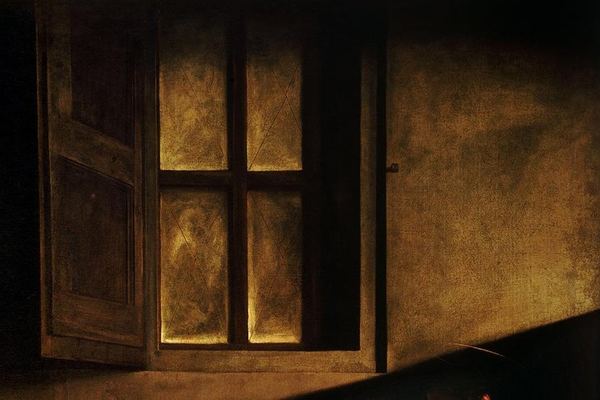 Free cancellation
Art and Blood: Caravaggio in Three Churches, No Tickets
5.0 (4) 5.0 stars out of 5, 4 reviewsNo tickets and no timed slot: all three churches are free to enter, and an art historian explains why the horse is bigger than the saint.
€ 250.00 -
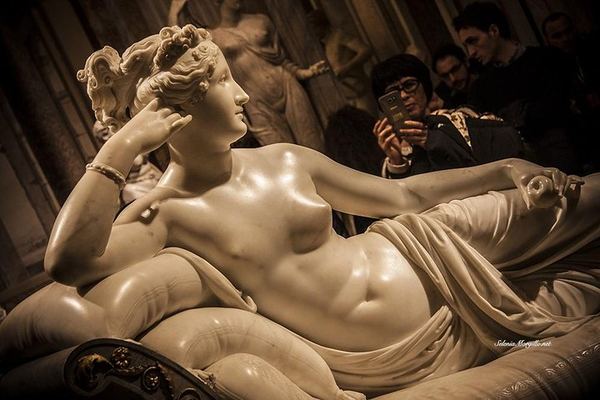
Borghese Gallery Privately, with an Art Historian
5.0 (6) 5.0 stars out of 5, 6 reviewsTimed entry and a capped room count keep the gallery quiet; a private art historian sets the pace inside the slot. Sales are final, no refunds.
€ 225.00 -
 Selling fast
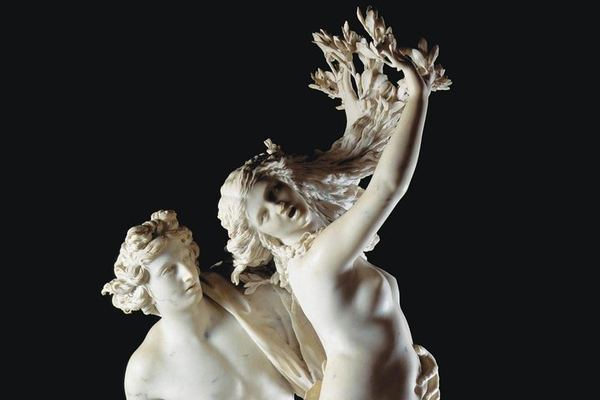
Borghese Gallery Private Tour, Three Hours for One Collection
5.0 (8) 5.0 stars out of 5, 8 reviewsThe extra hour is the product in a museum this dense. One cardinal bought all of it; the Italian State bought the rest in 1902. Sales are final.
€ 400.00
Ratings collected by Viator and Tripadvisor